
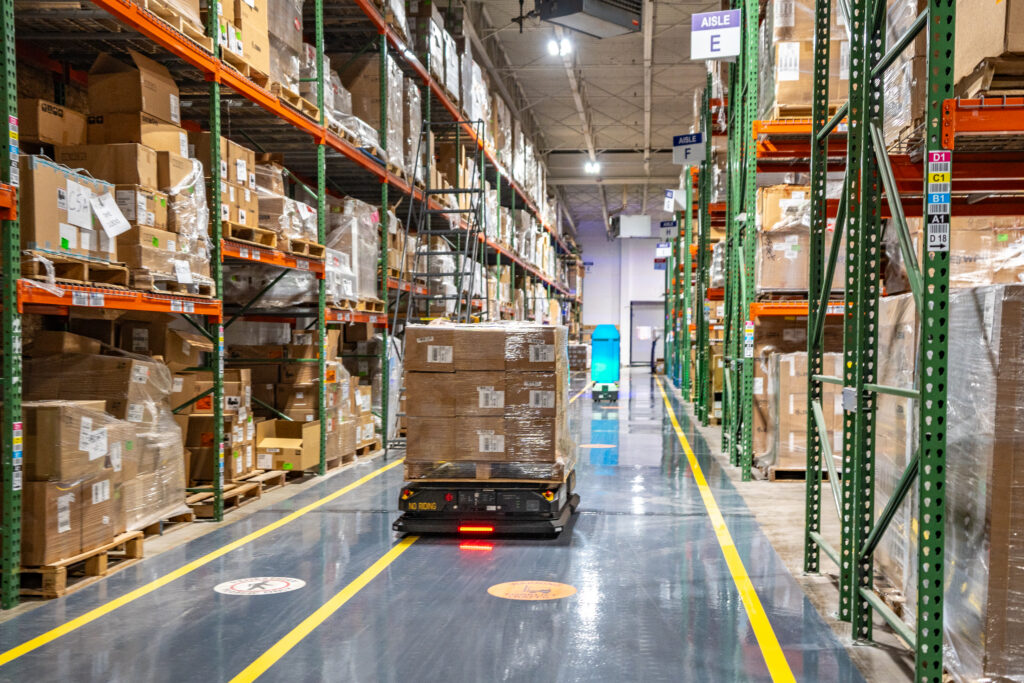
RFID Trends in Warehouse Automation: Lower Costs, Smarter Data, and What Comes Next
Radio frequency identification (RFID) has long promised to improve warehouse visibility and inventory management. But high tag and system costs led many enterprises to hold off or use it sparingly, and integration challenges kept businesses from fully using the data RFID captured. Advances in semiconductor manufacturing, printer-encoder technology, and software
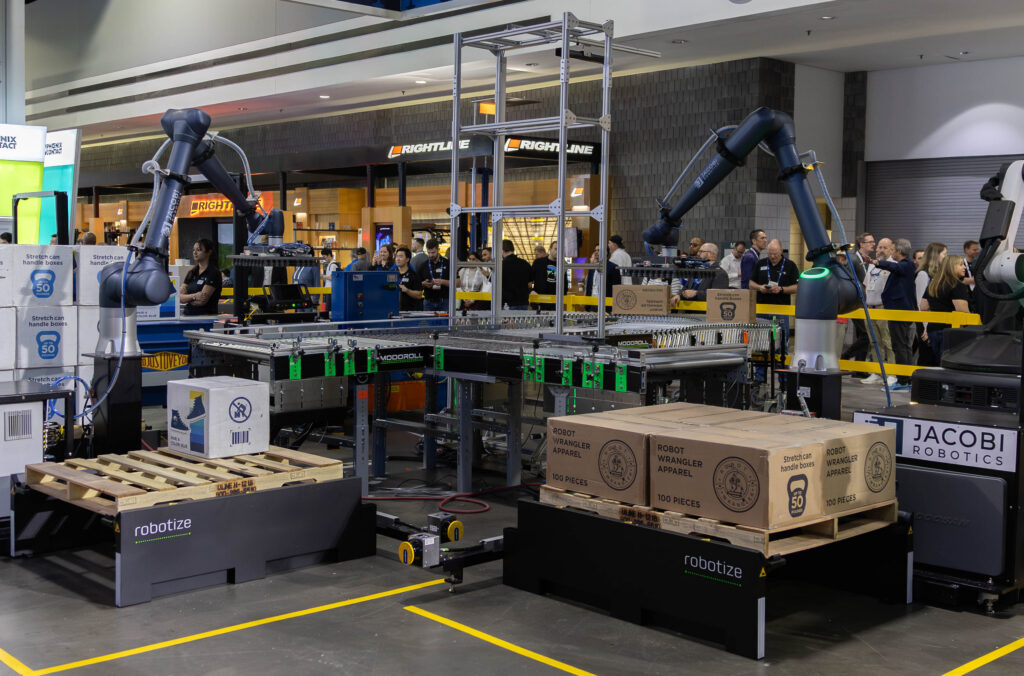
What Mixed-Case Palletizing Deployment Actually Looks Like
Growing SKU counts complicate modern warehousing but are also a market necessity. Consumers expect quick fulfillment. Mixed-case palletizing can help operations respond to these demands while improving pallet and fulfillment efficiency. This means building a single pallet that includes diverse SKUs and incorporates many different dimensions, weights, and even packaging
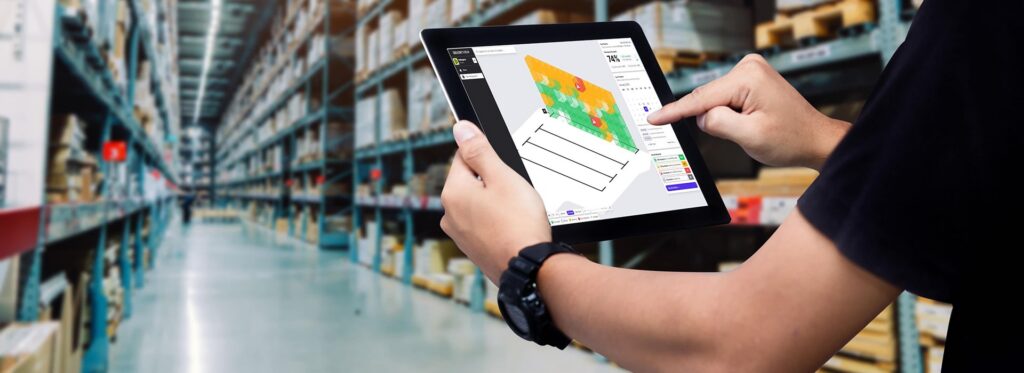
How To Automate Your Warehouse In Phases: A Modular Approach to Automation
Automated warehouses can provide impressive improvements in efficiency and throughput, but these achievements are preceded by multiple investments: updated infrastructure, complex integrations, and employee training, to name a few. Amid resource constraints, enterprises may be reluctant to adopt solutions when the ROI remains unclear. A modular approach to warehouse automation
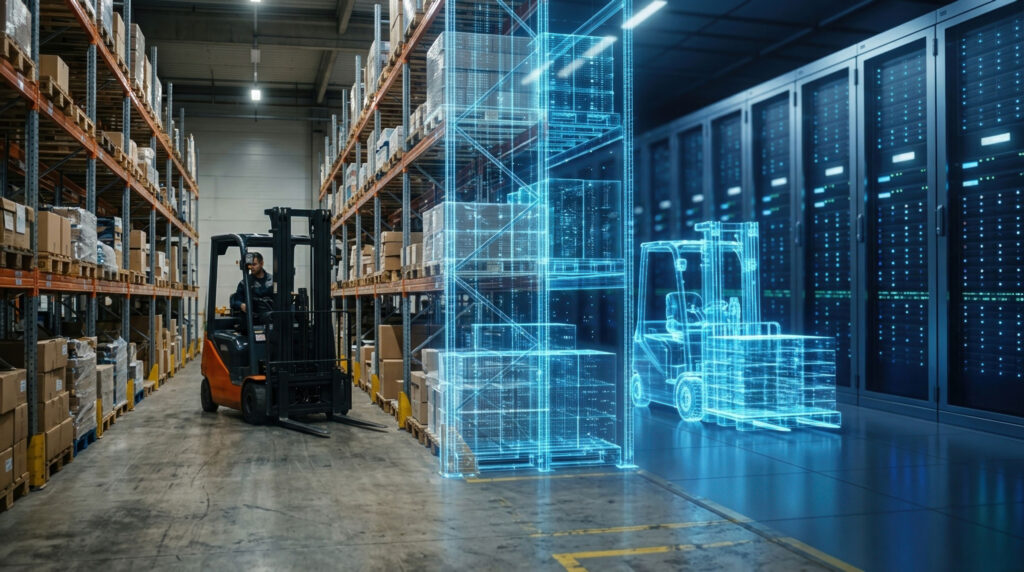
What Is a Digital Twin in Manufacturing? How It Reduces Automation Risk
One of the biggest challenges with manufacturing automation is knowing how a new system will perform before it is installed. Digital twins help reduce that uncertainty by creating virtual representations of physical systems that can incorporate historical and operational data. These models give manufacturers a clearer view of how automation
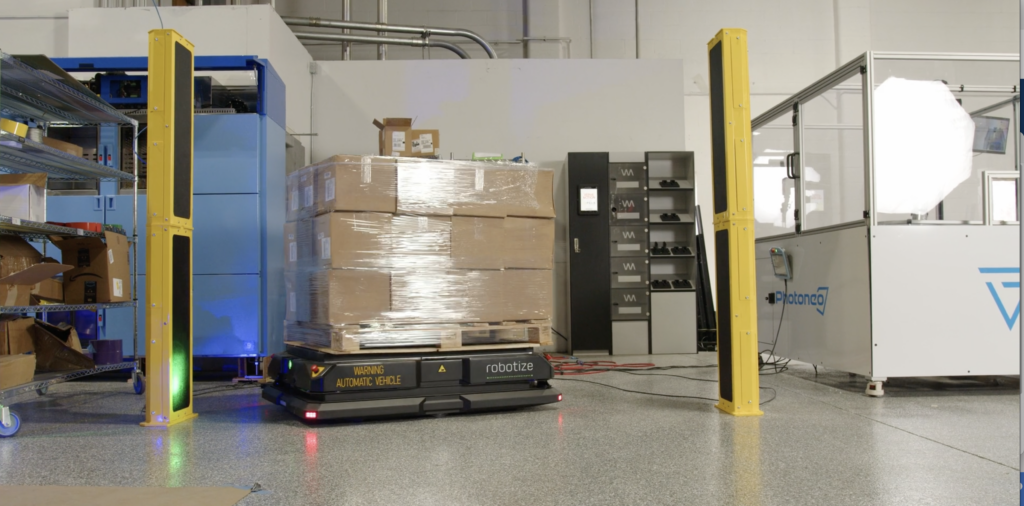
How Does Automation Technology Improve Warehouse Safety?
Today’s warehouses face stringent demands amid tight profit margins that prompt considerable pressure to move products quickly. Throughput may be impressive, but fast-paced warehouses can place hardworking employees at risk. Workers may be exposed to forklift and pallet jack traffic, conveyor hazards, improper stacking, repetitive material handling, and slips or
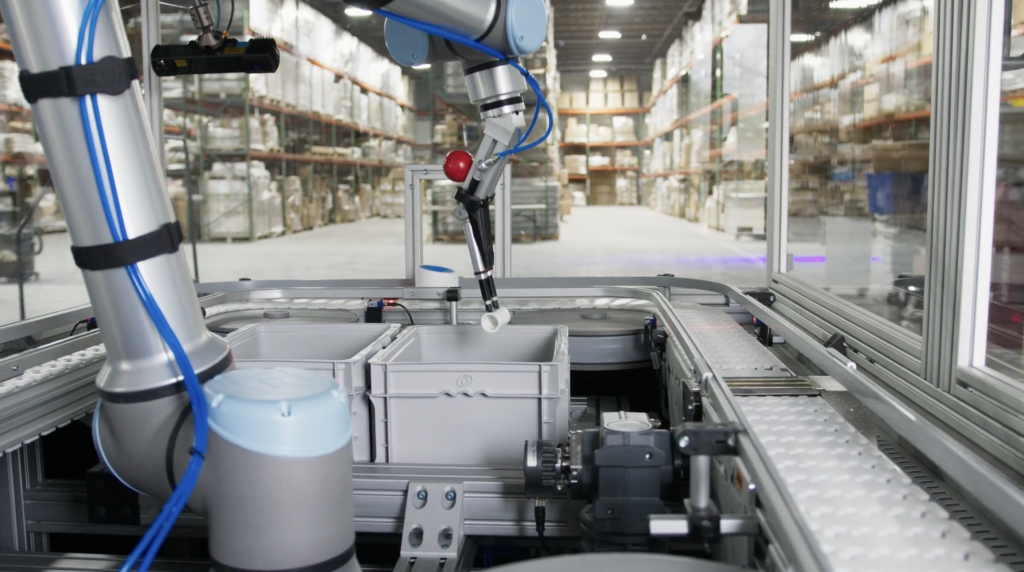
AI in Warehouse Management: Benefits, Use Cases & How To Implement
Rapid AI adoption is transforming the supply chain. Many organizations have already deployed AI in supply chain management, and many more are preparing to implement AI-powered solutions in the near future. The warehouse environment is especially well-suited to AI-powered solutions, as it’s a data powerhouse. Every warehouse produces continuous operational
RFID Trends in Warehouse Automation: Lower Costs, Smarter Data, and What Comes Next
Radio frequency identification (RFID) has long promised to improve warehouse visibility and inventory management. But high tag and system costs led many enterprises to hold off or use it sparingly, and integration challenges kept businesses from fully using the data RFID captured. Advances in semiconductor manufacturing, printer-encoder technology, and software
What Mixed-Case Palletizing Deployment Actually Looks Like
Growing SKU counts complicate modern warehousing but are also a market necessity. Consumers expect quick fulfillment. Mixed-case palletizing can help operations respond to these demands while improving pallet and fulfillment efficiency. This means building a single pallet that includes diverse SKUs and incorporates many different dimensions, weights, and even packaging
How To Automate Your Warehouse In Phases: A Modular Approach to Automation
Automated warehouses can provide impressive improvements in efficiency and throughput, but these achievements are preceded by multiple investments: updated infrastructure, complex integrations, and employee training, to name a few. Amid resource constraints, enterprises may be reluctant to adopt solutions when the ROI remains unclear. A modular approach to warehouse automation
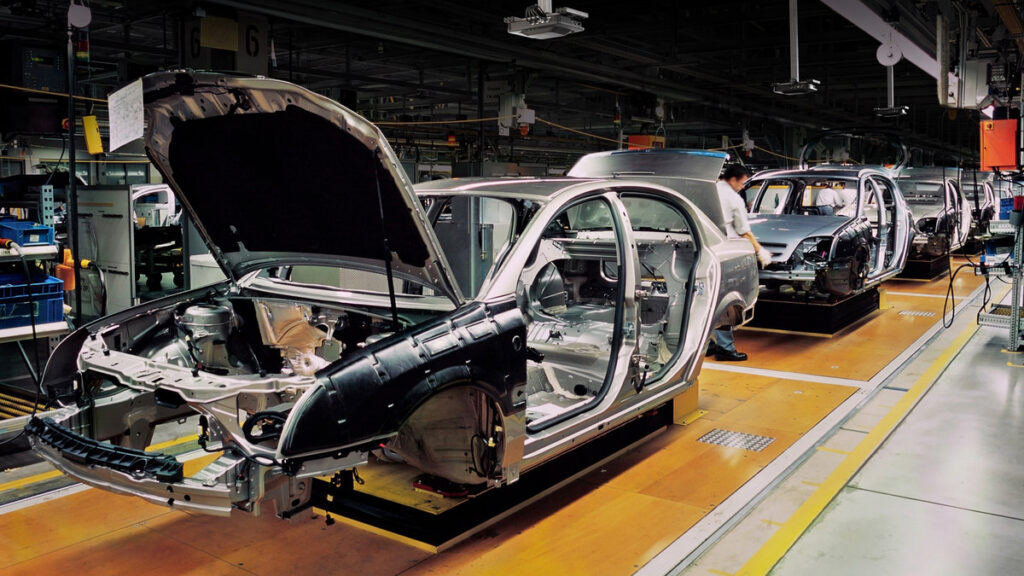
RFID and Machine Vision Are Having a Moment in Automation
Radio frequency identification (RFID) has been touted for decades as the “next big thing” to drive greater accuracy and efficiency in supply chain, logistics and transportation. Unfortunately, the economics, especially cost per chip, rendered it unfit for broad-scale adoption. In recent years, however, a confluence of technology advances has helped
What Is a Digital Twin in Manufacturing? How It Reduces Automation Risk
One of the biggest challenges with manufacturing automation is knowing how a new system will perform before it is installed. Digital twins help reduce that uncertainty by creating virtual representations of physical systems that can incorporate historical and operational data. These models give manufacturers a clearer view of how automation
How Does Automation Technology Improve Warehouse Safety?
Today’s warehouses face stringent demands amid tight profit margins that prompt considerable pressure to move products quickly. Throughput may be impressive, but fast-paced warehouses can place hardworking employees at risk. Workers may be exposed to forklift and pallet jack traffic, conveyor hazards, improper stacking, repetitive material handling, and slips or
AI in Warehouse Management: Benefits, Use Cases & How To Implement
Rapid AI adoption is transforming the supply chain. Many organizations have already deployed AI in supply chain management, and many more are preparing to implement AI-powered solutions in the near future. The warehouse environment is especially well-suited to AI-powered solutions, as it’s a data powerhouse. Every warehouse produces continuous operational
Why Automation… and Why Now? Interview with Tony Rivers
What’s driving companies to invest in warehouse automation today? Tony Rivers, chief executive officer of Peak Technologies, describes how they’re coping with the tech evolution. Rising consumer expectations of delivery speed and timeliness are driving companies to invest in warehouse automation, Rivers says. The trend is taking multiple forms, as facilities